
Financial Services Data Analytics for Banks and Insurers
Connect risk, customer, claims, and operational data so your teams spend less time reconciling reports. Cadeon brings financial services data analytics into daily workflows with consistent KPIs, connected systems, and Spotfire dashboards that make performance easier to review.


Risk and Compliance Reporting
Bring risk indicators, reporting inputs, and control metrics into consistent dashboards. Trace figures back to their sources to support internal reviews, audit preparation, and regulatory reporting workflows.
Customer and Portfolio Analytics
Connect customer, account, and policy data to review retention, product performance, and portfolio trends. Give teams a clearer view of changes across customer segments and business lines.

Fraud and Anomaly Monitoring
Flag unusual transaction or claims patterns using defined rules and trend monitoring. Give reviewers the supporting context they need to investigate exceptions and prioritize follow-up.
Operational Performance Dashboards
Track claims processing, case turnaround, service performance, and operating costs in one view. Help managers identify backlogs, compare team performance, and decide where to focus attention.

Measure the Impact of Better Financial Services Reporting
Measure the hours spent gathering data, preparing reports, and correcting figures before each reporting deadline. Track how that workload changes as teams adopt connected dashboards.

Track how often teams need to reconcile conflicting figures across reports. Shared definitions and traceable calculations make differences easier to explain and recurring issues easier to address.
Measure the time from a flagged transaction or claims pattern to its initial review. Connected source records give teams more context to assess exceptions and plan follow-up.

Reporting You Can Explain
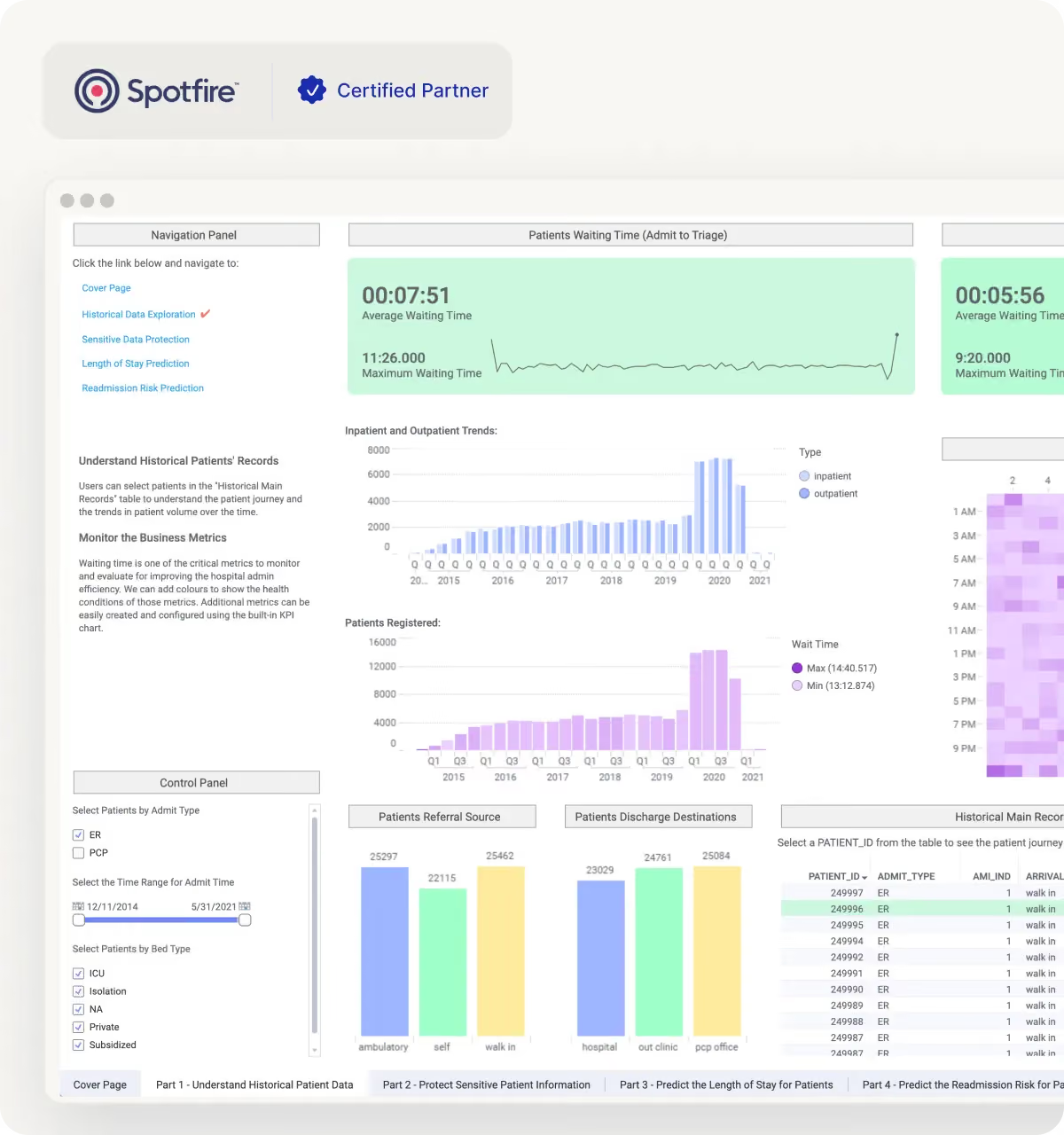
Follow a reported figure back to its source and calculation. Documented KPI logic helps teams investigate differences and answer questions during internal reviews and audit preparation.
Connected Banking and Insurance Systems
Bring core platforms, policy records, claims data, CRM, and finance tools into a shared reporting process. Reduce the repeated exports and manual joins between departments.
Dashboards for Each Review Cycle
Give operational teams detailed views for daily checks and leadership clear summaries for performance reviews. Each dashboard supports the questions its users need to answer.
Support as Requirements Change
Update calculations, reporting views, and data connections as products, systems, and business priorities change. Keep useful reporting in place as your teams’ needs grow.
Keep Financial Reporting Reliable After Launch
New products, system updates, and changing definitions can affect established reports. Cadeon provides ongoing support to help banking and insurance teams maintain data connections, review reporting issues, and extend their dashboards.
Monitor Data Refreshes
Check scheduled loads and refresh cycles for missing or delayed records. Identify data gaps before teams rely on incomplete figures in their reporting reviews.
Dashboards for Each Review Cycle
Give operational teams detailed views for daily checks and leadership clear summaries for performance reviews. Each dashboard supports the questions its users need to answer.
Extend Reporting Coverage
Add views for new products, customer segments, or claims categories using the existing data foundation. Expand reporting without repeating integration work that is already in place.


Conflicting Figures Across Departments
When finance, risk, and operations report different totals, reviews stall. Cadeon checks source mappings, reporting periods, and calculation rules to help teams resolve differences and agree on shared KPI definitions.
Too Much Work Before Every Report
Repeated exports, spreadsheet joins, and manual checks slow each reporting cycle. Cadeon connects source systems and automates agreed refresh steps, helping teams spend more time reviewing exceptions and acting on findings.
Discuss Your Banking and Insurance Analytics Needs
Need clearer portfolio reporting, better claims visibility, or fewer spreadsheet handoffs? Talk to Cadeon about financial services data analytics that connects your systems and gives risk, finance, and operations teams practical reporting tools.

Frequently Asked Questions
What is banking data analytics?
Banking data analytics uses account, transaction, customer, and operational data to help banks review performance and identify patterns. It can support portfolio analysis, customer reporting, risk monitoring, and service improvements. Cadeon connects these sources and develops shared KPI definitions and dashboards so teams can investigate changes with the supporting records available.
What is insurance data analytics?
Insurance data analytics brings policy, claims, customer, and financial information together to help insurers understand business performance. Teams can use it to monitor claims turnaround, review costs, compare customer segments, and investigate unusual patterns. Cadeon connects insurance systems and builds reporting views that make these measures easier to review across departments.
What do Cadeon's banking analytics services include?
Cadeon's banking analytics services include data integration, KPI standardization, Spotfire dashboard development, and ongoing reporting support. Projects can cover customer and portfolio trends, risk indicators, operational performance, and reporting preparation. The scope depends on the systems involved, the quality of available data, and the questions your teams need to answer.
How can financial services data analytics support risk and compliance reporting?
Financial services data analytics can bring reporting inputs, risk indicators, and control metrics into a consistent view. Cadeon helps connect source records, document calculations, and standardize reporting logic so teams can review and explain their figures. This supports audit preparation and compliance workflows; regulatory interpretation, approvals, and compliance decisions remain with your organization.
How can banking data analytics help teams monitor risk?
Banking data analytics helps teams compare portfolio changes, transaction patterns, and operational exceptions over time. Dashboards can highlight changes that need investigation, while defined rules can flag unusual activity for review. These signals help teams prioritize follow-up, but a flagged pattern still needs assessment before it can be treated as a confirmed risk or fraud event.
How can insurance data analytics improve claims reporting?
Insurance data analytics helps claims teams track open cases, processing times, backlogs, costs, and exceptions by product, team, or reporting period. Connecting claims records with policy and customer information gives reviewers more context. Cadeon develops dashboards that help teams identify delays, compare workloads, and investigate the records behind changes in performance.
Can Cadeon reduce manual reporting across banking and insurance systems?
Yes. Cadeon connects data from core banking platforms, policy and claims systems, CRM, finance tools, data warehouses, and spreadsheets. We standardize calculations and automate agreed data refresh steps to reduce repeated exports and manual report assembly. Required review and approval steps remain part of the reporting process.
Does Cadeon build Spotfire dashboards for financial services?
Yes. Cadeon builds Spotfire dashboards for banking and insurance teams, covering areas such as portfolio trends, customer analysis, claims performance, risk indicators, and operational reporting. Views can support daily checks, monthly reporting, and leadership reviews, with access to the underlying detail needed to investigate changes.